- ESTCE, Universitat Jaume I · 12071 - Castellón de la Plana

Research Detail
Research Name
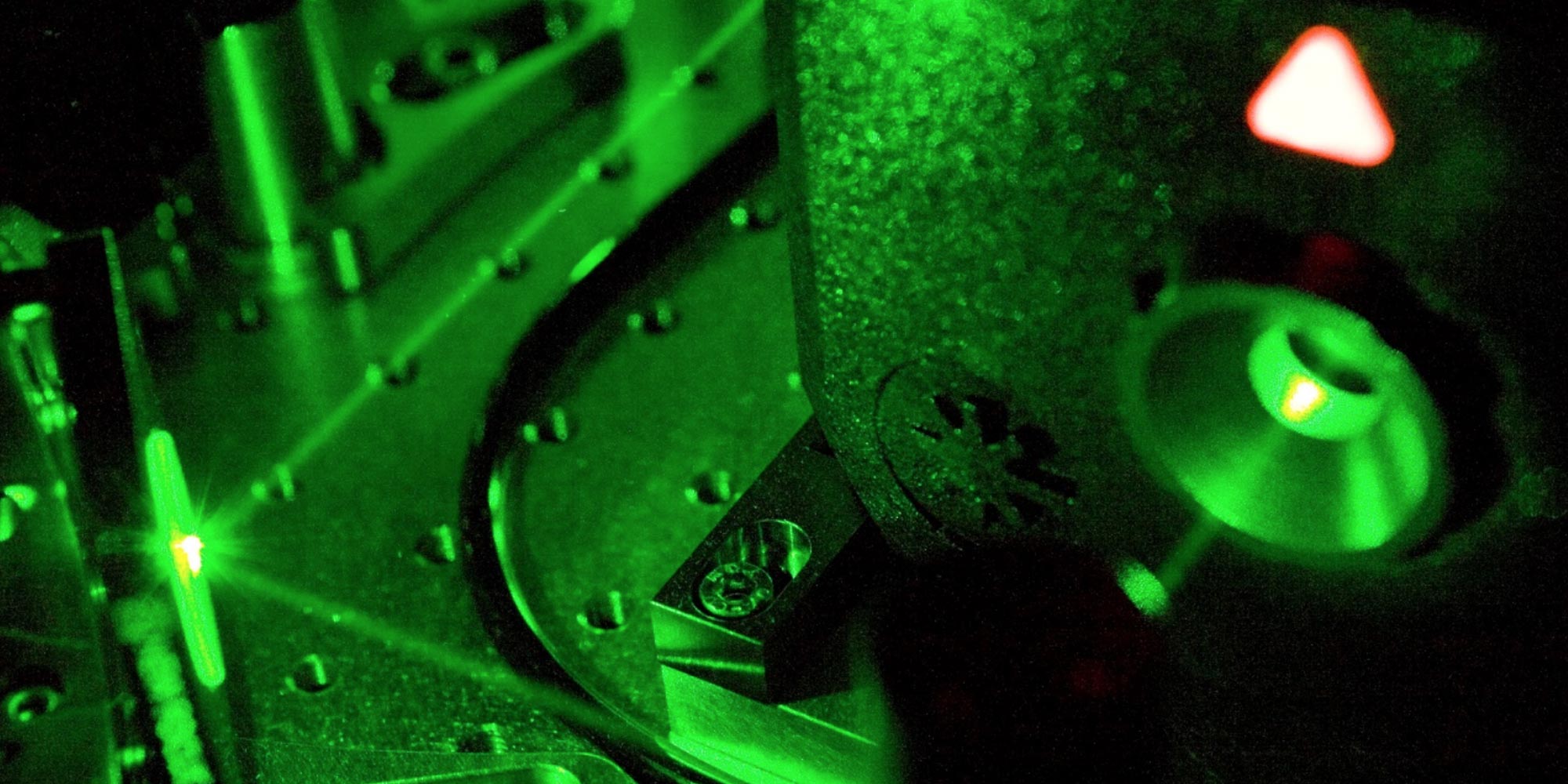
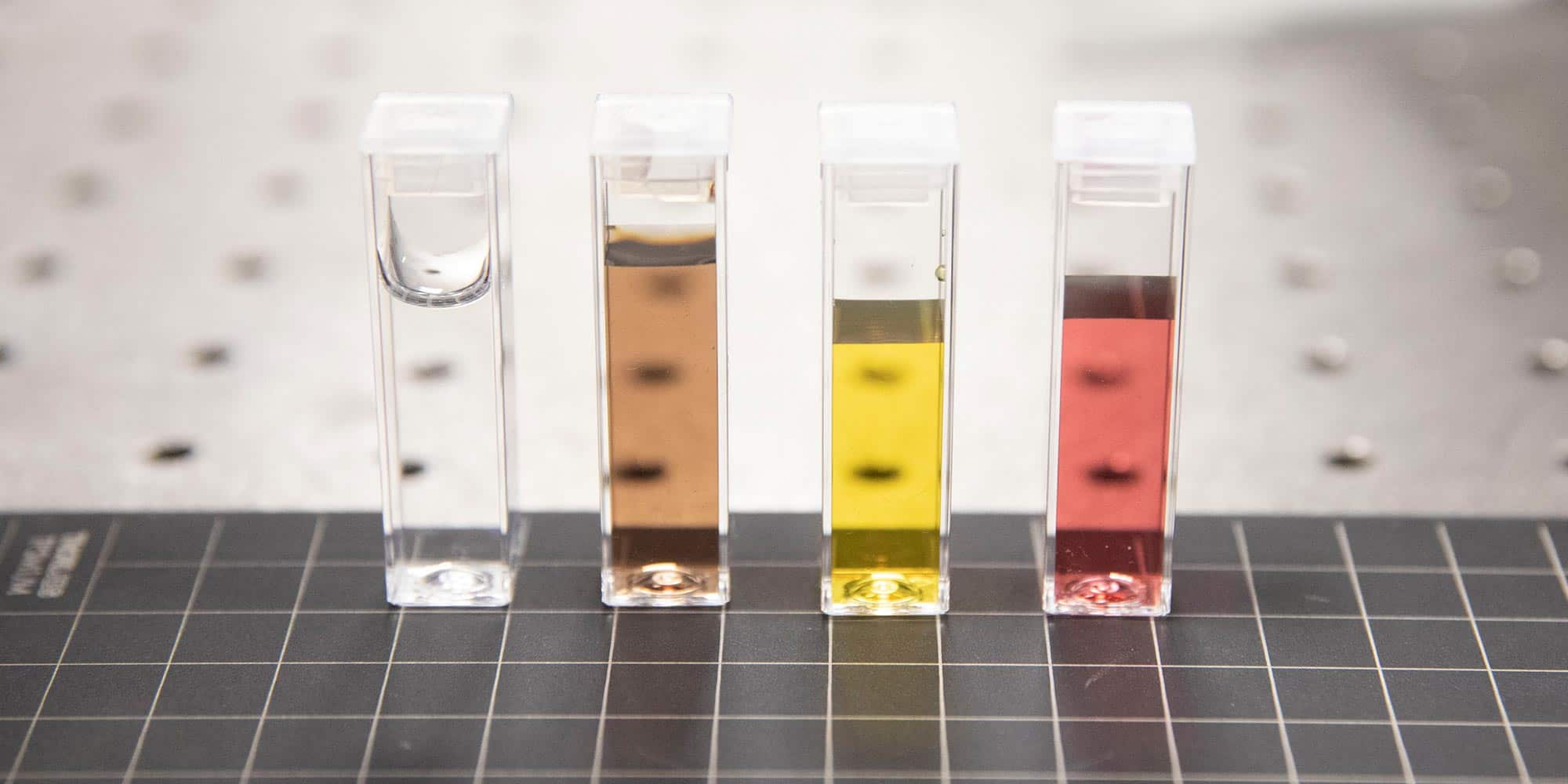
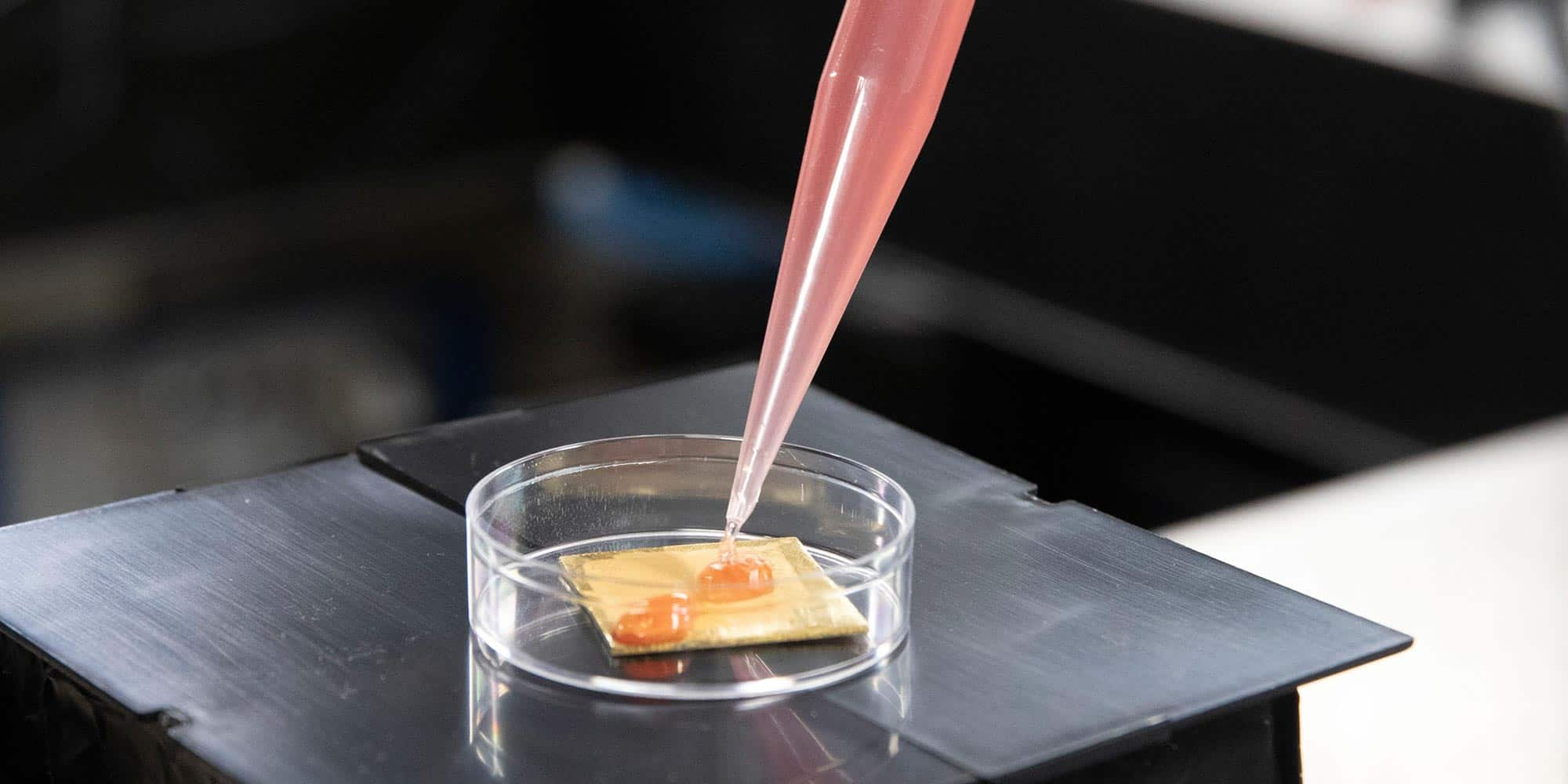
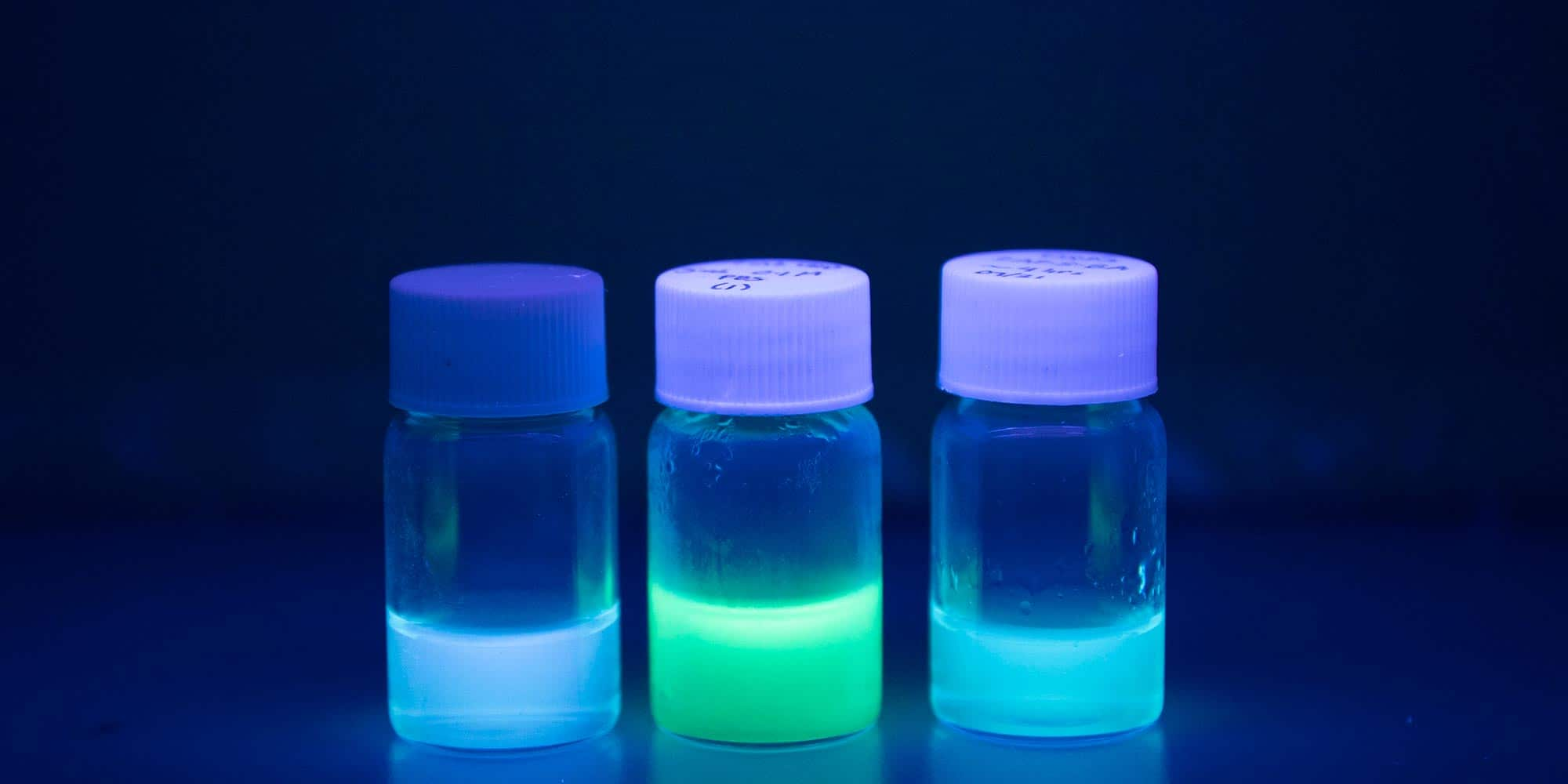
Laser synthesis of nanomaterials
Experts On
Synthesis of nanomaterials.
Facilities
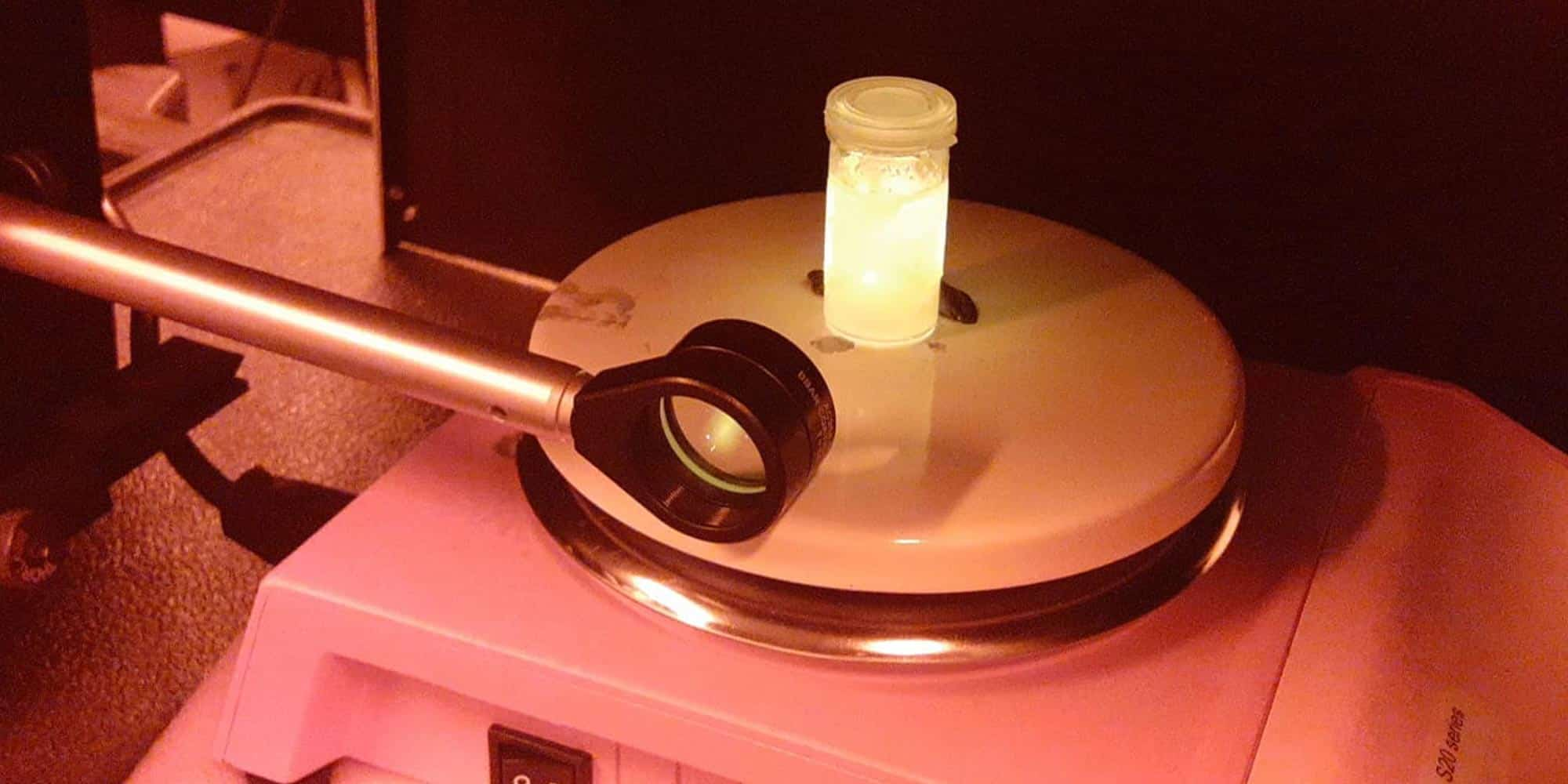
High power femtosecond, picosecond, and nanosecond laser. Systems for nanoparticle characterization.
We offer
Collaboration in developing nanomaterials with laser. Free samples for testing.
Need Help ?
Please contact with Dr. Gladys Mínguez Vega
Laser Synthesis of Nanomaterials
One of the primary challenges in the field of nanotechnology revolves around the creation of chemical substances that not only foster a toxic-free environment but also pose no harm to individuals. This endeavor is a pivotal component of the European Green Deal, with its overarching objective of achieving zero-pollution. Traditional synthesis methods such as wet chemical synthesis or mechanical milling are well-suited for large-scale nanoparticle production. However, they suffer from issues like contamination, undesirable functional groups, protracted processing times, and the generation of pollutants during the fabrication.
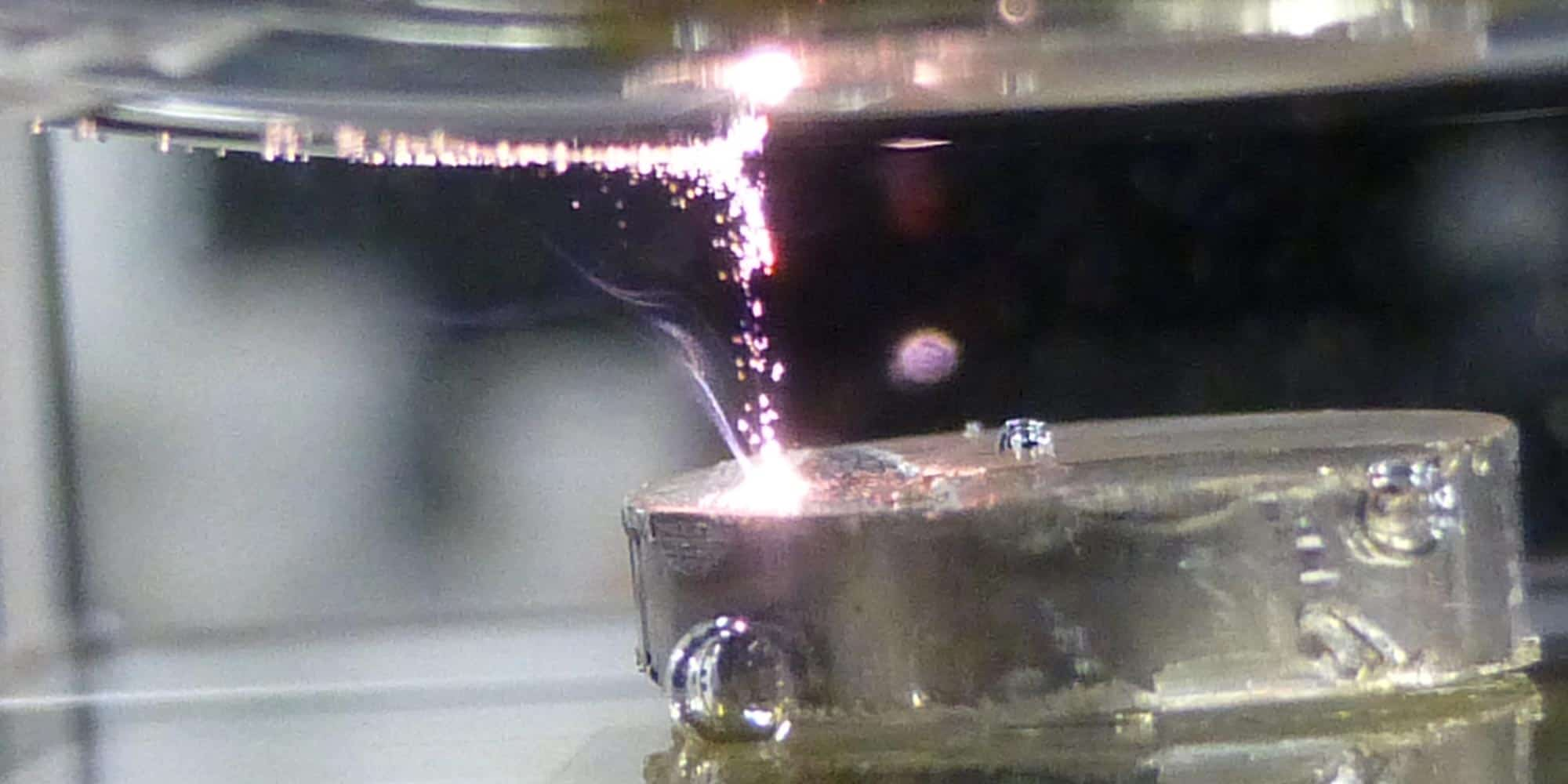
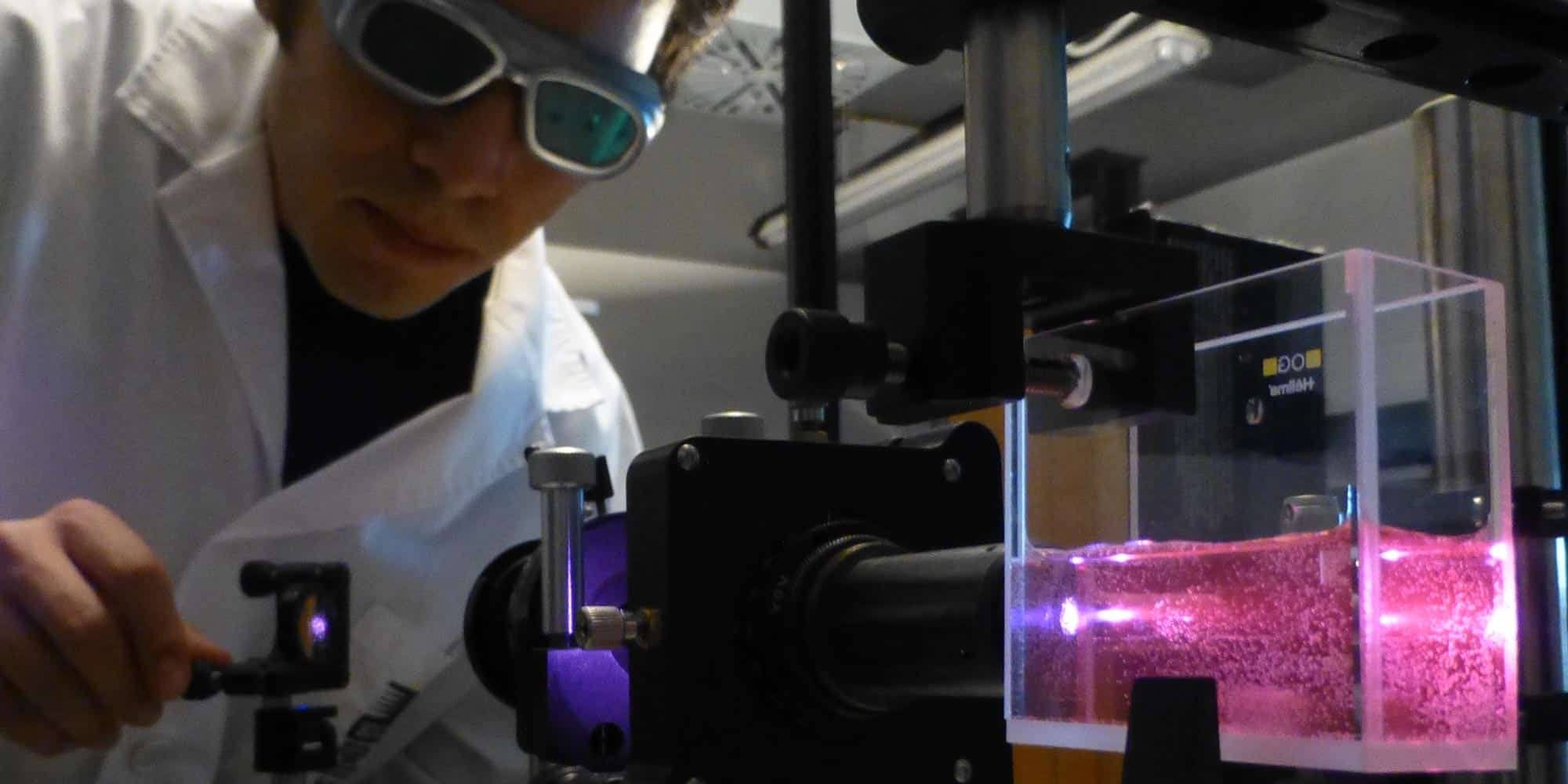
These challenges underscore the need for innovative nanoparticle synthesis techniques, such as laser synthesis of nanomaterials developed in GROC·UJI. This method boasts several key advantages, including the simplicity of the experimental setup, an extensive array of available materials spanning nearly the entire periodic table, and, most importantly, the purity of the resulting nanomaterials. This purity arises from the fact that only the solvent and the desired material are required, thereby avoiding the presence and generation of toxic or hazardous byproducts and adducts.
We are interested in the following research topics:
Enhanced Nanoparticle Production Systems
Beam delivery architectures and optimized liquid-flow reactors
Nanomaterials for Energy Applications
Engineered to efficiently absorb solar radiation or to exhibit enhanced thermal conductivity.
Nanomaterials for Bioapplications
We develop sensors and biocidal materials.
Advanced Nanomaterials
Hybrid structures, metastable phases, and defect-engineered nanostructures.
Selected Publications
Pulsed laser fragmentation synthesis of carbon quantum dots (CQDs) as fluorescent probes in non-enzymatic glucose detection
Francis Rey U. Cortes, Eva Falomir, Jesús Lancis, Gladys Mínguez-Vega. APPLIED SURFACE SCIENCE. Vol. 665. Artículo 160326. 2024.
Green nanoparticle synthesis at scale: a perspective on overcoming the limits of pulsed laser ablation in liquids for high-throughput production
Inna Y. Khairani, Gladys Mı ́nguez-Vega, Carlos Doñate Buendía, Bilal Gökce. PHYS. CHEM. CHEM. PHYS. Vol. 25. pp. 19380–19408. 2023.
Inactivation of SARSCoV2 by a chitosan/αAg2WO4 composite generated by femtosecond laser irradiation
Paula Fabiana Dos Santos Pereira Lima, Ana Carolina Alves de Paula e Silva, Bruna Natália Alves da Silva Pimentel, Ivo Mateus Pinatti, Alexandre Zirpoli Simões, Carlos Eduardo Vergani, Débora Ferreira BarretoVieira, Marcos Alexandre Nunes da Silva, Milene Dias Miranda, Maria Eduarda Santos Monteiro, Amanda Tucci, Carlos Doñate Buendía, María Gladis Mínguez Vega, Juan Manuel Andrés Bort, Elson Longo. SCIENTIFIC REPORTS. Num. 1. Vol. 12. pp. 1-18. 2022. Científico.
In situ decoration of graphene sheets with gold nanoparticles synthetized by pulsed laser ablation in liquids
Rafael Omar Torres Mendieta, David Ventura Espinosa, Sara Sabater López, Jesús Lancis Sáez, María Gladis Mínguez Vega, José Antonio Mata Martínez. SCIENTIFIC REPORTS. Vol. 6 . pp. 1-9. 2016. Científico.
Relevant Projects
Tecnología verde para la síntesis de nanomateriales: demostrador basado en la ablación láser en fluidos
I INNVA1/2025/67, Instituto Valenciano de Competitividad Empresarial, 01/01/2025-31/12/2027.
Advanced photonics enabled by full control of light beams
CIPROM/2023/44, Generalitat Valenciana, 01/09/2024-31/08/2028.
Caracterización y control espaciotemporal de haces de luz y su aplicación a las ciencias de la vida (ESTELA)
PID2022-142907OB-I00, Ministerio de Ciencia, Innovación y Universidades, 01/09/2023-31/08/2027.
Nanouptake – Overcoming Barriers to Nanofluids Market Uptake
COST Action CA15119, European Cooperation in Science and Technology, 19/04/2016- 18/04/2020
GLUCOTEARS- Non-Invasive Fluorescence-based Tear Glucose Sensor Integrated to a Smartphone
Marie Skłodowska-Curie Actions ID: 751249 1 March 2018- 29 February 2020
Tecnología verde para la síntesis de nanomateriales: demostrador basado en la ablación láser en fluidos
INNVA1/2025/67, Instituto Valenciano de Competitividad Empresarial (IVACE), 19/11/2025 – 31/12/2027
On-going collaborations
This section highlights some of our ongoing collaborators; additional partnerships are continuously active across our research programs
Prof. Elson Longo, at Center for the Development of Functional Materials de Brasil (CDFM) Universidade Federal de São Carlos, Brasil.
Dr. Alejandro Restrepo at the Universidad Nacional de Colombia, Colombia.
Prof. Bilal Göcke from the University of Wupertal (Germany).
Prof. Leonor Hernandez from the Grupo de Fluidos Multifásicos of the Universitat Jaume I:
Prof. Eva Falomir from Joining Medicine and Chemistry the of the Universitat Jaume I
Prof. Juan A. Bort form the Theoretical and Computational Chemistry of the Universitat Jaume I